
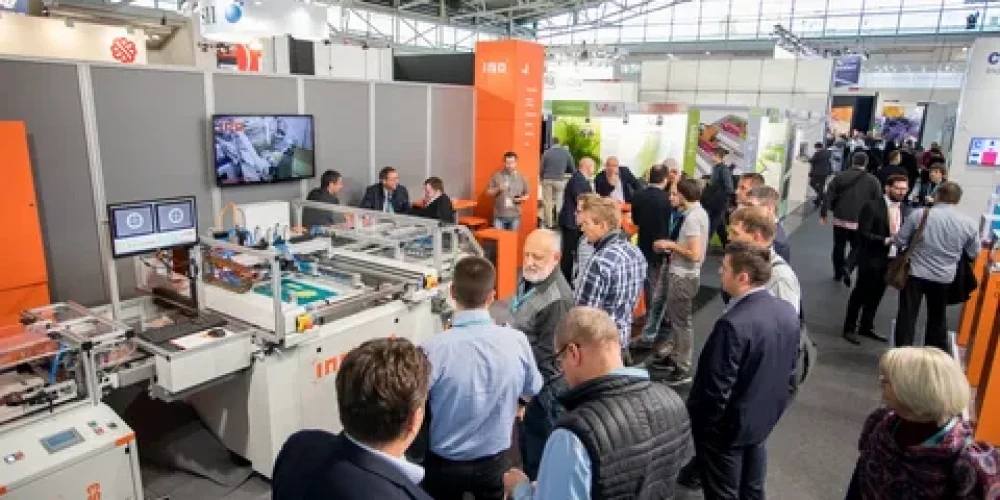
Exhibiting in the UAE requires more than an attractive stand. Businesses need to select the right event, understand venue regulations, plan logistics, prepare for local conditions and create a clear process for turning conversations into useful business leads. Start by defining the audience and goals, then align the stand design, staffing and promotional materials with those objectives.
Dubai and Abu Dhabi host major international trade events across technology, food, healthcare, construction and other industries. Dubai World Trade Centre reported 401 events and 2.97 million attendees in 2025, highlighting the scale and diversity of the exhibition environment. Source: Dubai World Trade Centre. Practical planning helps exhibitors manage this busy environment and deliver a consistent experience from setup to follow-up.
Choose the right exhibition for your business
Review each event based on audience relevance rather than attendance figures alone. A specialist exhibition may produce more qualified conversations than a larger event with a broad visitor profile. Check the exhibitor list, visitor profile, event programme and opportunities for business meetings before committing.
| Selection factor | What to check | Why it matters |
|---|---|---|
| Visitor profile | Industries, job roles, decision-makers and buying interests | Helps determine whether the audience matches business goals |
| Event reputation | Previous exhibitors, organiser experience and visitor feedback | Provides context for evaluating event suitability |
| Location | Venue access, transport links and target-market concentration | Influences visitor convenience and staff logistics |
| Exhibition format | Trade-only, public, specialist or mixed audience | Determines messaging, demonstrations and staffing |
| Event schedule | Opening hours, setup windows and dismantling deadlines | Helps coordinate people, equipment and deliveries |
Bonus tip: Ask the organiser which visitor groups typically attend on each day. Use this information to schedule product demonstrations and meetings when relevant prospects are most likely to be available.
Select a stand format that supports your objectives
The right exhibition stand should make the offer easy to understand, support meaningful conversations and allow visitors to move comfortably. Choose the format according to the available space, display requirements and number of staff.
| Stand format | Best suited to | Main consideration |
|---|---|---|
| Shell scheme | First-time exhibitors and straightforward displays | Work within the organiser’s supplied structure and restrictions |
| Modular stand | Businesses attending several exhibitions | Check whether the system can adapt to different floor plans |
| Custom exhibition stand | Product demonstrations and distinctive brand experiences | Confirm design approval, access and installation requirements |
| Double-deck stand | Exhibitors needing separate meeting or presentation areas | Requires specific structural, access, safety and venue approvals |
| Pavilion | Countries, industry groups or organisations presenting multiple participants | Plan shared branding, circulation and coordination between exhibitors |
A visually striking stand is not automatically an effective one. Keep the main message visible from the aisle, place demonstrations where visitors can stop without blocking traffic and provide a quieter area for detailed discussions when the layout allows.
Understand venue rules and technical requirements
Each organiser and venue may apply different requirements for stand construction, signage, suspended structures, electrical connections, fire safety, access and contractor registration. Read the current exhibitor manual before finalising the design. Submit drawings and technical documents by the organiser’s deadlines, and obtain written approval where required.
| Technical item | What exhibitors should verify |
|---|---|
| Stand dimensions | Floor-space boundaries, permitted height and neighbouring stand restrictions |
| Structural design | Stability, load limits and approval requirements for raised or double-deck structures |
| Fire safety | Approved materials, fire-retardant documentation and unobstructed escape routes |
| Electrical supply | Approved connections, equipment loads and cable management |
| Lighting and AV | Power needs, sound restrictions, screen placement and rigging permissions |
| Accessibility | Safe circulation, accessible entry and clear routes around displays |
| Build and dismantling | Contractor access, delivery slots, work hours and removal deadlines |
Requirements vary by event, so do not treat an older manual as approval for a new exhibition. For example, the DWTC and organiser regulations in a 2026 exhibitor manual make compliance the responsibility of exhibitors and their contractors.
Bonus tip: Keep approved drawings, contractor contacts, delivery confirmations and key organiser instructions in one shared folder. This makes it easier to resolve questions during build-up.
Plan for UAE weather and event logistics
The UAE’s hot conditions can affect transport, outdoor activity, equipment handling and staff comfort. During warmer months, protect heat-sensitive products during transit, follow venue guidance for loading and unloading, and avoid leaving equipment in direct sunlight. Outdoor activations need suitable shade, hydration arrangements and a weather contingency.
Build a logistics schedule that covers freight arrival, storage, installation, testing, staff briefing and final inspection. Confirm who can authorise changes on-site and who will contact the organiser if a delivery or technical issue occurs.
Prepare the team to engage visitors
Every staff member should know the main message, target audience and next step for interested visitors. Use a short opening question to understand each visitor’s needs before launching into a presentation. Record relevant details with permission and classify leads by their needs, level of interest and agreed follow-up.
Track useful measures such as qualified conversations, booked meetings, demonstrations completed and follow-up actions. These indicators help assess whether the exhibition achieved its objectives rather than relying only on footfall.
Things to Consider Before Making a Decision
Before confirming participation, check that the event aligns with business goals and that the team can deliver the planned experience.
- Set a clear objective: Choose between lead generation, distributor recruitment, product launches or relationship building.
- Confirm approval timelines: Allow time for stand drawings, technical submissions and organiser feedback.
- Assign ownership: Name the people responsible for logistics, stand delivery, demonstrations and lead follow-up.
- Prepare backup plans: Identify alternatives for delayed shipments, equipment failures and staff absences.
- Plan after the event: Decide how leads will be assigned, contacted and evaluated after the exhibition.
Exhibition services available through LIVE EVENTS
LIVE EVENTS supports several parts of exhibition preparation and delivery:
- Creative Exhibition Stand Design: Develops a layout around the brand message, visitor flow and display requirements.
- Exhibition Stand Fabrication: Builds approved stand elements to match the design and event specifications.
- Exhibition Stand Installation: Coordinates on-site assembly and prepares the stand for inspection before opening.
- Furniture and AV Rental Solutions: Supports presentations, product demonstrations and visitor meetings with suitable equipment.
Common Questions Before Exhibiting
How early should exhibition planning begin?
Begin as soon as the organiser confirms participation and provides the exhibitor information. Start with event objectives and floor-space requirements, then work backwards from submission, delivery and installation deadlines.
Should a first-time exhibitor choose a custom or modular stand?
Choose modular when flexibility and reuse across different layouts matter most. Consider a custom stand when the product demonstration, visitor journey or specific spatial requirements need a tailored design.
What documents should the stand contractor receive?
Provide the floor plan, exhibitor manual, approved design, technical requirements, delivery instructions and organiser contacts. Confirm whether the venue requires additional contractor registration, insurance or safety documents.
Improve Results After the Exhibition
How should exhibition leads be followed up?
Prioritise contacts according to their needs and agreed next steps. Send relevant information promptly, assign each lead to a responsible team member and record the outcome in a shared customer relationship management system.
How can exhibitors measure long-term success?
Compare qualified leads, meetings, opportunities created and subsequent conversions against the original objectives. Review visitor feedback and staff observations to improve the next exhibition.
What should happen to exhibition materials after the event?
Inspect reusable structures and equipment before storage. Label components, document damage, update inventory records and retain approved design files for future events.
How can businesses improve their next exhibition?
Review which messages attracted relevant visitors, which demonstrations generated engagement and where visitors experienced delays. Use these findings to refine the stand layout, staff briefing and follow-up process.
Plan Your UAE Exhibition Carefully
A successful exhibition depends on matching the event to the audience, meeting venue requirements, coordinating logistics and preparing the team to engage visitors. Review each decision against the business objective and allow enough time for approvals and testing.
For support with exhibition preparation and delivery, LIVE EVENTS can be contacted at contact@liveevents.ae or +971 52 840 9669. Confirm the specific venue requirements and event deadlines before finalising the exhibition plan.